French Bulldog Colors and Lines are one of the most fascinating aspects of this beloved breed. In addition, their wide variety of coats and patterns makes them even more unique and desirable.
This breed is known for its expressive eyes, playful personality, and compact build. Because of this, they have become one of the most popular dog breeds in the United States.
However, their appeal goes beyond personality alone. Many owners are especially attracted to their coat colors and markings. As a result, French Bulldog Colors and Lines have become an important topic for both new and experienced dog owners.
Understanding French Bulldog Colors and Lines will help you choose the perfect Frenchie for your family.
Understanding French Bulldog Colors and Lines
When we talk about “French Bulldog Colors and Lines,” we are referring to two closely related aspects:
Colors describe the shades of a French Bulldog’s coat, such as fawn, brindle, cream, blue, or lilac. Lines refer to genetic lineage or breeding patterns that produce certain colors and markings.
For example, colors explain how a dog looks, while lines explain why that appearance exists. Therefore, understanding both helps owners make better decisions when choosing a puppy.
Read the heartbreaking story : Worn Out: 1 Heartbreaking Story That Must Be Heard
Recognized and Common French Bulldog Colors and Lines
1. Fawn
Fawn is one of the most traditional and officially recognized French Bulldog colors. It ranges from light tan to deep reddish shades and may include a black mask.
Owners admire this color for its warm and classic appearance. In addition, fawn Frenchies often appear in advertisements because they represent a friendly and gentle personality.
Link: What are the standard French Bulldog colors? – MIFrenchies
2. Brindle and Brindle & White
Brindle is a pattern, not a color. It features dark stripes over a fawn base. Brindle & White French Bulldogs combine this pattern with white patches.
Brindle lines are well-established and genetically stable. Therefore, many breeders consider them one of the safest and most reliable choices.
Link: Brindle French Bulldog: Color Varieties, Price, Care – FrenchieSpace
3. Cream and White
Cream and white French Bulldogs have a soft and elegant appearance. Cream is a lighter version of fawn, while pure white coats may include small patches of color.
However, lighter coats can be more sensitive to sunlight. Because of this, owners should provide shade and proper protection during hot days.
Link: French Bulldog Colors: Full List from Most Common to Rarest – A‑Z Animals
4. Black and Black Brindle
Solid black French Bulldogs are rare and often not officially recognized. Most black dogs actually carry brindle patterns.
Many breeders prefer black brindle because it combines a dark appearance with better genetic stability, in addition, this variation offers a balanced combination of appearance and genetic stability.
Link: French Bulldog Colors: Standard & Non‑Standard – MyPawesomeFrenchie
Rare and Exotic French Bulldog Colors and Lines
These French Bulldog Colors and Lines are not always officially recognized. However, they have gained popularity due to their unique appearance.
5. Blue (Dilute Gray)
The blue French Bulldog gets its color from a dilution gene that turns black pigment into a gray or bluish tone.
This color looks stunning. However, it may increase the risk of skin problems such as Color Dilution Alopecia.
Link: The Myth of Blue French Bulldogs & Color Dilution – Crowd Pleazer Frenchies
6. Lilac
Lilac French Bulldogs result from combining blue and chocolate genes. This creates a soft silver or lavender shade.
Because of their rarity, these dogs are often more expensive. In addition, responsible breeding is essential to avoid health issues.
Link: Rare French Bulldog Colors – Petcube Blog
7. Merle
Merle is a pattern with a marbled mix of colors. It creates a unique and eye-catching coat.
However, breeding two merle dogs can cause serious health problems. Because of this, responsible breeding practices are extremely important.
Link: Are Merle Frenchies Prone to Health Issues? – Country Club Frenchies Blog
8. Chocolate, Cocoa, Isabella, and Platinum
These colors come from combinations of chocolate and dilution genes. They create rare and visually striking coats.
Many owners love their unique appearance. However, breeders must carefully manage genetics to maintain health. For example, some of these combinations require careful breeding to maintain health.
Link: French Bulldog Coat Colors in Depth – NW Frenchies
9. Tan and Sable
Tan-pointed French Bulldogs have darker coats with tan markings. Sable dogs have a fawn base with darker tips.
These variations are moderately rare. In addition, they are generally more stable compared to other exotic colors.
Link: Coat type and color in French Bulldogs – FrenchBullevard
10. Pied and Piebald
Pied French Bulldogs have white coats with patches of another color. The pattern can vary greatly from dog to dog.
These lines are well-established. However, when combined with rare colors, they become more expensive and harder to find.
Link: Pied French Bulldogs – What you need to know – YouWinniesSomeFrenchies
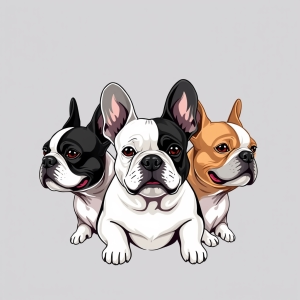
French Bulldog Colors and Lines
Below is a summary table you can easily import into your WordPress TablePress plugin.
| # | Color / Line | Recognition Level | Genetic Basis | Owner Notes |
|---|---|---|---|---|
| 1 | Fawn | Recognized | Agouti gene (Ay) | Classic and balanced temperament 😊 |
| 2 | Brindle / Brindle & White | Recognized | K locus gene pattern | Very stable and healthy line |
| 3 | Cream / White | Recognized | Dilute fawn | Sensitive to sun and heat |
| 4 | Black / Black Brindle | Semi-recognized | Dominant black | May not qualify for shows |
| 5 | Blue | Rare / Exotic | d/d dilution gene | Watch for skin sensitivity |
| 6 | Lilac | Very Rare | Blue + Chocolate genes | High price and maintenance |
| 7 | Merle | Rare pattern | M locus gene | Possible hearing/vision issues ⚠️ |
| 8 | Chocolate / Isabella / Platinum | Very Rare | b/b + d/d combinations | Health checks required |
| 9 | Tan & Sable | Moderately rare | A-locus variations | Balanced look, low risk |
| 10 | Pied / Piebald | Recognized to Rare | White spotting gene (S locus) | Distinctive pattern variations |
Genetics Behind French Bulldog Colors and Lines
French Bulldog Colors and Lines are determined by several genetic factors.
- A-locus controls patterns like fawn and sable
- K-locus controls brindle and black
- B-locus affects chocolate tones
- D-locus creates dilution (blue and lilac)
- M-locus produces merle patterns
- S-locus controls white spotting
As a result, understanding these genes helps owners make safer and more informed decisions.
Health and Ethical Considerations 🩺
Health should always come before appearance. French Bulldogs already have breathing challenges due to their structure.
However, poor breeding can increase additional risks.
- Choose breeders who provide genetic testing
- Avoid sellers focused only on rare colors
- Ask for health certificates
- Ensure puppies grow in healthy environments
Because of this, responsible breeding plays a key role in long-term health.
Tips for Choosing Your Frenchie 🐶
First of all, always prioritize health over appearance.
Decide between standard or exotic colors
Ask about genetic background
Consider maintenance needs
Protect your dog from heat
YouTube Resources
To see these variations in real life, check out these educational videos:
- The Ultimate Guide to Every Frenchie Coat Color & Texture – https://www.youtube.com/watch?v=oCKpgdWgKso
- Rare French Bulldog Colors | Which Options You Should Avoid – https://www.youtube.com/watch?v=-R004JspLto
Both videos explain genetic differences, show actual dogs, and discuss responsible breeding.
FAQ – French Bulldog Colors and Lines
What colors are officially recognized?
Standard colors include fawn, brindle, cream, and pied combinations.
Why are some colors more expensive?
Rare colors require specific genetic combinations, which increases demand and price.
Are rare colors less healthy?
Not always. However, poor breeding can increase risks, so testing is important.
Conclusion
In conclusion, French Bulldog Colors and Lines are diverse, unique, and fascinating. While appearance plays a role, health and responsible breeding should always come first.
By understanding French Bulldog Colors and Lines, you can choose a dog that is not only beautiful but also healthy and happy. ❤️🐾